

Understanding Their Unique Grief at the Holidays
For any grieving parent, the holiday season can intensify feelings of loss – but special needs parents face unique challenges. Holidays often disrupt routines and highlight the differences in their family’s life. As one special needs mom explains, “the holiday season can also bring feelings of grief as we are bombarded once again with the realization of just how different our family is” . Traditions they dreamed of sharing with their child – like Christmas pageants, big family dinners, or trips to see lights – may not be possible due to their child’s needs (sensory sensitivities, dietary restrictions, etc.) . This chronic grief over unmet expectations can be present even before any bereavement.
Now add the death of a loved one to this mix. Whether they lost a child, a spouse, or another family member, a special needs parent is carrying a heavy dual burden. They may be juggling profound personal grief and the 24/7 responsibilities of caring for a high-needs child during a season of extra activities and social expectations. If the lost loved one was a close caregiver or their co-parent, the impact is even greater.
Grief and Autism
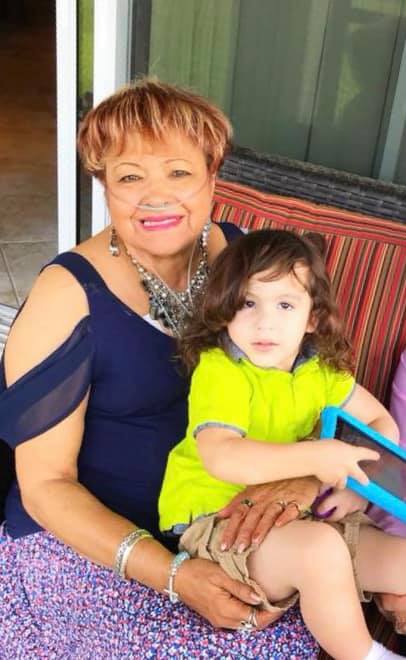
I readily felt Joshua understood his beloved Mama was gone. Despite his young age and current limited speaking abilities, on the day she passed in January, he sensed that something was wrong. He grabbed her picture off the wall, started walking around with it, and lay down close to it. Over the last few months, he likes to look at her pictures, sit in her car, and he gets visibly happy & starts doing the motions to Spanish-language nursery rhyme songs she would sing & play with him. Though Dad is with us (which makes Joshua happy), Mom & Dad’s house is still up the street. We don’t take him inside the home because he immediately starts looking for Mom, and he gets stressed when he doesn’t see familiar objects or her. However, it is inevitable to pass by the main entrance to her neighbourhood. We take different routes and avoid it as much as we can, but it is a major route connecting our city. Every single time we pass the main entrance, he starts crying or getting upset and wants us to pull in so (in his mind) we can do what the routine of going to see Mama & Papa used to be. Today, as we passed by the main entrance, once again, he started to get upset. This time, with his arms outstretched, he yelled in a loud but crestfallen voice, “MAMA”. He said it twice. For a child who doesn’t hold regular conversations, to bring forth the name (twice) of the person that he wanted to see was incredibly moving and heartbreaking at the same time. Dad, who was sitting next to Joshua in the backseat & holding his hand, immediately put his head down and told me, “You see how much he understands. He knows the house everytime. Look how he called for her. He misses Mama.” As I tried to continue driving while blinking back tears, I was reminded of Mom’s unconditional and encompassing love. She said we gave her one of the greatest gifts with Joshua: she had prayed for this child to be born later in her life, wanting one last grandchild to hold in her arms. Her love, compassion and prayers always reached Joshua. She always understood him. She was always proud of him. She was always so joyful with him. She was his faithful prayer warrior and my personal encourager. Though I know it will continue to be difficult for him to remember her in unexpected ways, I’m grateful for the blessing of his experiencing her love and for him remembering his Mama.
For example, when a husband dies, his widow loses about 75% of her support system on average. That is a devastating loss of practical and emotional help for any parent – especially one now parenting a child with disabilities alone. It’s no surprise that grief can take a physical and mental toll: around 60% of widows experience a serious illness in the first year after their loss, and nearly one-third meet the criteria for clinical depression within two months. In short, these parents are likely exhausted, overwhelmed, and hurting on multiple levels as the holidays approach.
When the Church Falls Short (Why Support Matters)
“We can do better, Church. We must do better!” – This passionate plea from a widows’ ministry advocate highlights the urgent need for better grief support in faith communities. Unfortunately, many churches struggle to support grieving families. Often it’s not out of malice, but out of not knowing what to do – “Many churches do not have a plan on how to support those who have suffered a loss… it is more a case of benign neglect.” When someone is bereaved, friends at church may feel awkward and unsure how to help, so they stay silent or keep their distance. The result is that grieving people can feel abandoned by the very community that should uphold them.
The statistics are sobering. One study found that about 50% of widows stop attending their church within the first year of widowhood. In many cases, these individuals drift away because they feel unsupported, isolated, or out of place after their loss. In fact, grieving members sometimes “drop off the church’s radar” easily – a combination of others’ discomfort and unrealistic expectations about “moving on”. And when people do stop coming, too often no one reaches out. One grief observer noted that churchgoers often end up “ghosting” those who leave, failing to follow up or show they care. The widow of a pastor explained that after her husband died, she understood why so many in her position withdraw: “Their person that they walk in with… is not there anymore. So that makes it really difficult to continue… you’re not the same anymore.” Feeling alone in a crowd of Sunday worshippers, or feeling like the only one with a shattered world while others celebrate, can drive a grieving parent to retreat unless someone intentionally steps in to support them.
The good news: it doesn’t have to be this way. With a little compassion and initiative, we – friends, family members, and fellow believers – can make a huge difference. Below are concrete, compassionate ways to support a special needs parent in your life who is grieving this holiday season.
Ways to Support a Grieving Special Needs Parent
-
Be present and listen (you don’t need to fix it). Simply being there is one of the best gifts you can give. Sit with them in their pain without immediately trying to cheer them up. Let them talk (or cry) about their loved one if they want to, and listen without judgment. Resist the urge to offer clichés or pat answers. In one account, a father who lost three of his seven children remembered that well-meaning friends shared many Bible verses and platitudes – but the most comfort came from the friend who just sat in silence with him. You don’t have to have “perfect words.” Your quiet presence and a listening ear tell your friend that you care and that they’re not alone in their grief.
- Acknowledge their loss and remember their loved one. Don’t avoid mentioning the person who died for fear of upsetting them – they haven’t forgotten their loss, and a great fear for many grieving people is that everyone else will forget. So, speak their loved one’s name. Share a positive story or memory you have, if appropriate. It can be as simple as, “I was just remembering how much Jim loved your holiday cookies,” or “I know your mom adored Christmastime with you.” This validates their grief and gives them permission to talk about their loved one. Special needs parents may have a smaller social circle to begin with, so they might have fewer opportunities to reminisce. By openly talking about the person who died, you signal that it’s okay for them to mourn out loud and that their loved one’s life mattered. As one piece of advice says: “Talk about him. Say his name. Let her share memories.
- Offer practical help – and be specific. Grieving an immense loss while caring for a child with special needs is an enormous undertaking. Practical support can lighten their load in tangible ways. Instead of the generic “Let me know if you need anything,” offer a specific task or errand you can do. For example: “Can I come by on Tuesday to help decorate your tree or do laundry?” or “I’d like to drop off dinner for your family this Thursday – would that be okay?” or “I’m free Saturday afternoon if you need someone to watch the kids.” Concrete offers are more effective because they only require a yes or no answer, whereas vague offers might put pressure on them to come up with a request. Special needs families especially may hesitate to ask for help, having grown used to handling things on their own – so take the initiative. If you know a particular need, address it: shoveling snow, wrapping gifts, driving them to an appointment, or providing child care so they can have a few hours to rest or even attend a support group. Even small acts (dropping off cookies, or a gift card, or a handwritten note) can make a huge difference in a difficult week. “Try to meet their practical needs…They probably won’t ask, so you’ll have to do just do.” advises Dr. Joscelyn Ramos Campbell from Hope Torchlighters. “Your helping hands can be a tremendous blessing to a fatigued parent.”
- Include them in holiday activities – but respect their pace and space. Grief is unpredictable, and a grieving parent might not feel up to celebrations. Still, being invited matters. Continue to include your friend in holiday plans, church events, or family gatherings – just make it clear that there’s no pressure and you understand if they decline. They may say no this time but appreciate that you thought of them. If they do join, understand they may have limits: they might leave early, or skip certain traditions, or have to manage their child’s needs which could cut things short. Be gracious and flexible. One mother noted that people assumed once the first year of “first without him” was over, she’d be fine – but “the second Father’s Day was harder than the first one… sometimes it’s really easy to be in a room and feel like no one knows how hard it is just to be there.” The point is, grief doesn’t vanish after a set time. So even in year two or three, your friend may still struggle at holiday gatherings. Let them know it’s okay if they’re not their usual self. Maybe have an “escape plan” – for instance, take two cars so they can leave when needed, or designate a quiet room in your home where they or their child can take a break from the festivities if it gets overwhelming. By continuing to extend invitations without expectations, you communicate, “We still want you here, whenever you’re ready.” Even within church, keep them in the loop – for example, if they miss services, you can share a recording or drop off the bulletin and a coffee to say they were missed. “Continue providing opportunities for fellowship and ministry as you did before,” even if they can’t always participate, says one guide for supporting a grieving spouse. Isolation is the enemy – gentle inclusion helps counter it.
- Don’t shy away from their emotions (let them feel whatever they feel). Grief can be messy. One minute your friend might be composed; the next, in tears or irritable or expressing anger at God or the situation. This is normal. Accept their feelings without judgment. If they cry, offer tissues and compassion (and cry with them if you’re moved to). If they vent frustration or doubts about faith, don’t try to correct those feelings with a sermon. Platitudes like “God needed another angel” or “Everything happens for a reason” often backfire, causing more pain. Instead, affirm that it’s okay to mourn and to question. The Bible is full of examples of God’s people grieving and lamenting. Remind them that even Jesus wept at the tomb of his friend (John 11:35) and that God understands our sorrow. “The LORD is close to the brokenhearted and saves those who are crushed in spirit,” the Psalmist assures us. You might gently share this verse or another that emphasizes God’s comfort, but use Scripture with sensitivity – not as a band-aid to cover their pain, but as a promise that God shares in their pain. Above all, stay with them through the waves of grief. As one widows’ ministry leader advises: “She may be angry for a season. Don’t abandon her. Press in! She needs unconditional love now, more than ever.”
- Pray with them and for them. There is tremendous power in simply praying alongside a grieving person. Ask if they’d like you to pray with them – if they say yes, keep the prayer focused on asking God to bring comfort, strength, and peace in the midst of their pain. This isn’t the time to preach at God (or them); just intercede on their behalf and remind them through prayer that God sees their tears. Also, pray for them privately and let them know you do – an occasional text saying “Just wanted you to know I prayed for you this morning” can encourage a weary heart. Remember, a special needs parent might have lost not only a loved one but also a prayer partner in that person. One widow described how after her husband died, she deeply missed hearing her name prayed aloud – “She lost her prayer partner and needs to hear her name spoken to God once again.” Be that person who lifts her name to God. Additionally, you might offer to help spiritually in other ways: perhaps read an Advent devotion together, or play gentle worship music in the house while you visit, or invite them to a quiet “Blue Christmas” church service (some churches hold special contemplative services for those grieving during the holidays). These are ways to incorporate faith without forcing cheer – honoring their sadness while still pointing to the hope and comfort our faith provides.
- Help them find additional support and resources. Sometimes your friend may need more support than one person alone can give – and that’s okay. Encourage them to seek out grief support groups or counseling, and offer to help facilitate it. For example, watch their child during their therapy appointment or drive them to a support group meeting if they’re not up to driving at night. There are many resources available for bereaved parents and spouses. If they’re open to a faith-based group, consider inviting them to attend a program like GriefShare with you – GriefShare is a Christian grief recovery ministry with seminars and small groups nationwide. (Often, churches host GriefShare cycles; you could even offer to go along for the first session if they feel nervous.) If they prefer something secular or more specific (like a support group for parents who’ve lost a child, or one for caregivers), help research what’s available locally. Sometimes online communities can be a support too – for example, groups for parents of special needs kids who have passed, etc. The key is to reassure them that seeking help is not a sign of weakness or lack of faith, but a wise step. You can say, “I care about you and I think talking with others who understand grief could really help. How can I support you in that?” Whether it’s pastoral counseling, professional therapy, or a peer support group, help pave the way so they feel enabled (not embarrassed) to use those resources. If finances are a concern, consider quietly covering the cost of a few counseling sessions as a gift. Connecting them with a broader support network will reinforce that they have a whole community ready to help carry their burden.
- Stay in touch for the long haul. Grief doesn’t expire after the holidays, or even after one year. One of the most loving things you can do is continue checking in and offering support well beyond the immediate crisis. Mark your calendar with significant dates (the anniversary of the death, the loved one’s birthday, etc.) and reach out around those times. A simple message like “I know this week might be tough – I’m thinking of you and [their loved one]” goes a long way. Don’t be afraid that you’re “reminding” them of the loss; trust me, they remember. Instead, you’re reminding them you remember. Many grieving people feel that others move on and forget about their loss, which can be deeply hurtful. By being the friend who still calls two, six, twelve months later, you show true compassion. If your friend has pulled away from church or social activities, lovingly let them know they are missed. “If she decides to leave anyway… don’t give up on her,” writes one widow; “Help her find a new church where she can find a new normal. So many churchgoers ‘ghost’ people who leave, but that is not what Christ expects from His body.” In other words, pursue them with love. This might mean occasionally saying, “Hey, can I pick you up for the Christmas Eve service? We can sit together in the back,” or “No pressure, but if you ever want to try coming to the mom’s group again, I’ll save you a seat.” Even if they’re not ready to return to certain things, the invitation tells them they haven’t been forgotten or replaced. Patience is crucial: grief has no set timeline, and each person’s journey is different. Continue to be there, however long it takes. Your steady friendship itself becomes a source of hope and healing over time.
Compassion and Faith in Action
Supporting a grieving special needs parent through the holidays is not easy, but it is one of the most meaningful gifts we can give. The Bible calls us to “bear one another’s burdens” and to look after those in distress (Galatians 6:2, James 1:27). When we put compassion and faith into action like this, we become the hands and feet of Christ to someone walking through the valley of sorrow. Remember that even small gestures – a listening ear, a hot meal, a heartfelt prayer – can be used by God to comfort a broken heart.
As you help your loved one, you may find that you are blessed in return. Grief has a way of deepening relationships and refocusing our faith on what truly matters. By stepping up to love and support a special needs parent in their season of grief, you are shining light into their darkness. You are affirming that their family matters, that their loved one is remembered, and that they are not walking this hard road alone. That kind of support can be life-changing. It may even help prevent someone from giving up on church or God in their pain. Instead, they experience Christ’s love through you.
This holiday, let’s be intentional about caring for our grieving friends. Whether through practical help or a ministry of presence, let’s show them the grace and comfort that the Church – their church family – is meant to offer. No grieving parent should have to carry their sorrow in isolation. With compassion, understanding, and faithful support, we can honor their loss, uplift their family, and help hope to dawn, even in a hard holiday season. We can do better, and we will – together.
Pingback: Tips to Support Grieving Special Needs Parents - Mami of Multiples